The Book of the Huia

The Book of the Huia

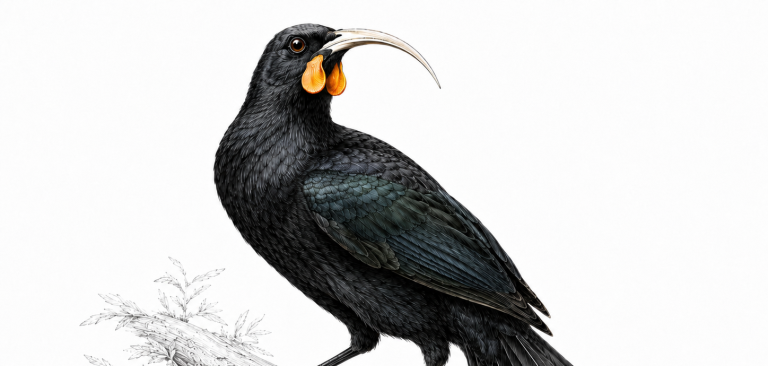
The Book of the Huia by W. J. Phillipps (1963) is a comprehensive chronicle of New Zealand’s legendary huia (Heteralocha acutirostris). This overview is provided because the book is, sadly, out of print but a kind friend of mine sent me a copy.

The Huia is examined from every angle in Phillipps’s volume. The author weaves together historical records, scientific observations, and Māori oral traditions to present a detailed portrait of the huia’s life and the tragic factors that led to its disappearance.

The Enigmatic Huia Skull: A Tale of Form, Function, and Fate
|

The Enigmatic Huia Skull: A Tale of Form, Function, and Fate

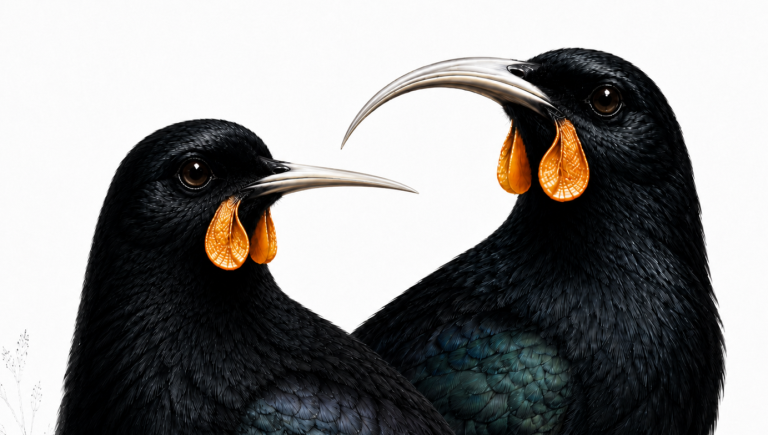
New Zealand’s extinct huia (Heteralocha acutirostris) captivated scientists and Māori alike with its striking appearance and remarkable skull adaptations. In this narrative, we explore how the anatomy of the huia’s skull and beak suited its forest lifestyle, why males and females evolved such different tools for feeding, and how these traits parallel other avian specialists. We’ll also delve into the bird’s behavior and tragic extinction.

Pelagornis sandersi: Reconstructing Egg and Nesting Characteristics
| |

Pelagornis sandersi: Reconstructing Egg and Nesting Characteristics

Pelagornis sandersi was a giant bony-toothed seabird known from the Oligocene epoch and among the largest flying birds ever discovered. This article synthesizes paleontological evidence and biological comparisons to reconstruct the likely size, shape, texture, and coloration of a Pelagornis sandersi egg. Key aspects of nesting, including site selection, clutch size, parental care, and incubation strategy, are discussed in light of Eocene-Oligocene coastal environments and climate-driven adaptations.

The Philippine Eagle: Skull of a Forest Apex Predator
|

The Philippine Eagle: Skull of a Forest Apex Predator

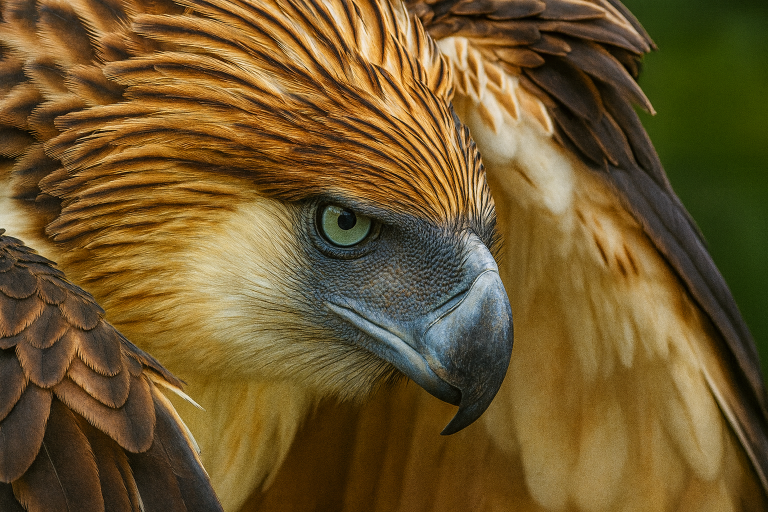
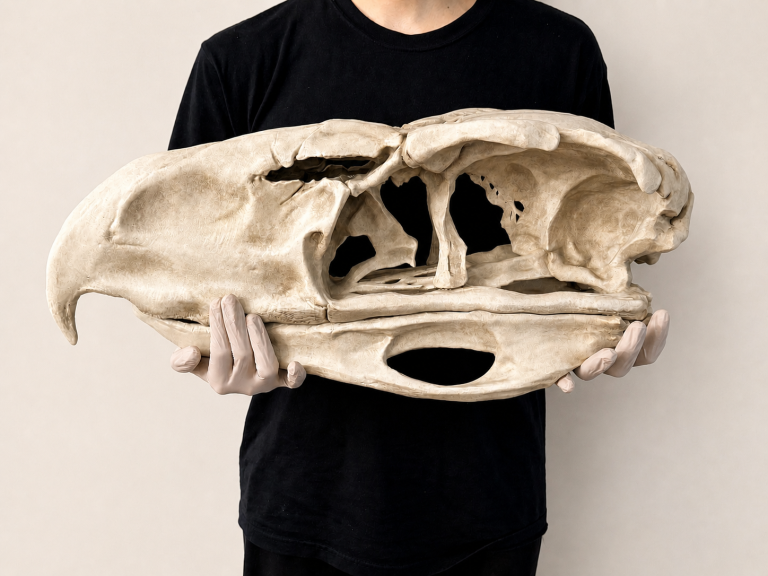
The Philippine eagle (Pithecophaga jefferyi) is a breathtaking bird of prey found only in the rainforests of the Philippines. Researching and crafting a Philippine eagle skull celebrates the eagle’s unique adaptations telling the story of how it became the ruler of its realm. And when displayed the replica stands as a powerful conversation piece about evolution, conservation and the marvelous creatures we share our planet with.

Rufus’s Eggs: A Tribute to the Guardian of Wimbledon
|

Rufus’s Eggs: A Tribute to the Guardian of Wimbledon

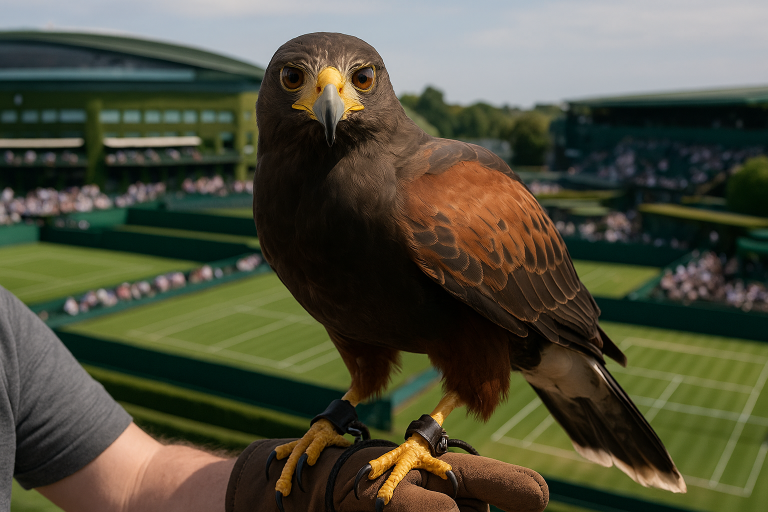
Every morning before play begins on the manicured lawns of Wimbledon, long before crowds begin to gather or cameras begin to roll, a figure takes to the skies. With dark chocolate wings, russet shoulders, and piercing eyes, Rufus the Harris’s Hawk performs his silent vigil over Centre Court. He is not here to entertain. He…

Roseate Spoonbills: Breeding, Eggs, and a Charleston Aquarium Story
|

Roseate Spoonbills: Breeding, Eggs, and a Charleston Aquarium Story

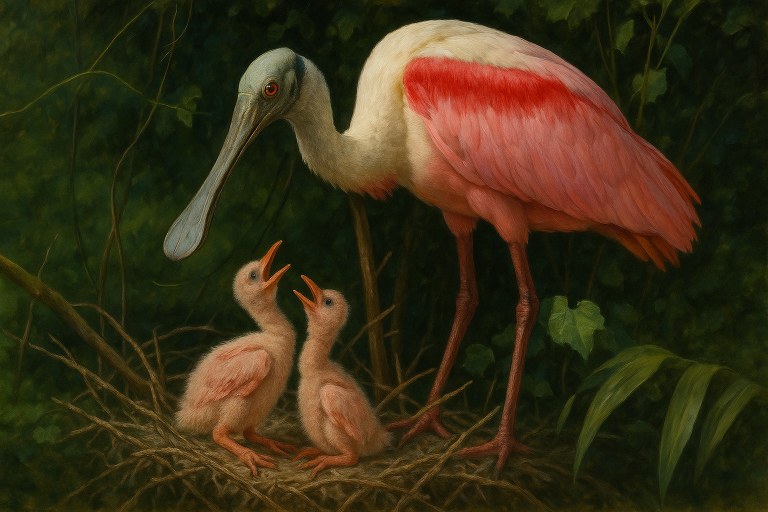
The roseate spoonbill (Platalea ajaja) is a unique wading bird famous for its bright pink feathers and spatula-shaped bill. It is one of only six spoonbill species in the world and the only one found in the Americas (Hancock and Kushlan 1984). With a partly bald, reddish head and a large flat bill, this bird…

Classic Bird Diorama Creators of the 20th-Century
|

Classic Bird Diorama Creators of the 20th-Century

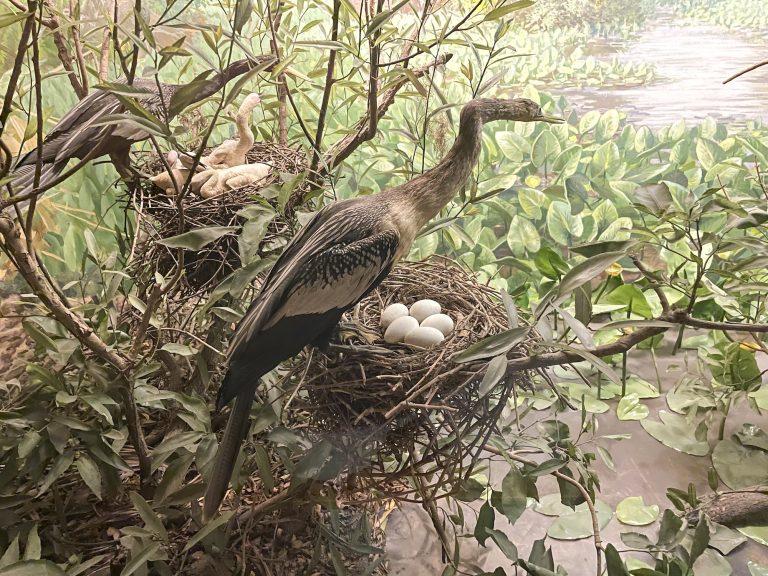
Natural history museums in the 20th century showcased some of their most enchanting exhibits through bird dioramas. These re-creations of birds in their natural habitats combined scientific accuracy with multi-disciplinary artistic flair. Meticulously mounted bird specimens were set against panoramas of painted backgrounds and naturalistic foregrounds. The result was an immersive “window on nature,” captivating…

The Extraordinary Moa and its Eggs
| |

The Extraordinary Moa and its Eggs

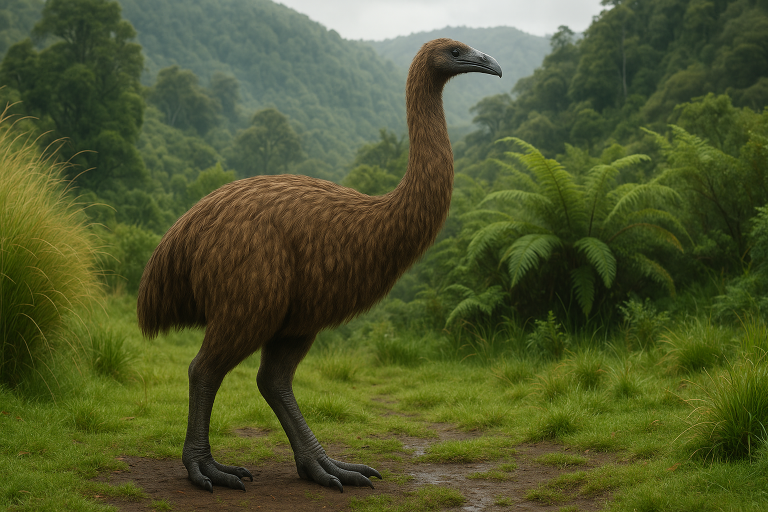
This article explores the remarkable story of New Zealand’s extinct moa through its giant but fragile eggs. From the famous Kaikōura egg buried alongside a Māori skeleton to scattered fragments in caves and middens, moa eggs reveal a world of careful nesting, male incubation, and deep cultural significance. With low reproductive rates and no defences against introduced species, moas vanished within centuries of human arrival. Today, their eggs stand as poignant symbols of lost abundance and the fragility of island life.

The Surviving Eggs of the Great Auk
|

The Surviving Eggs of the Great Auk

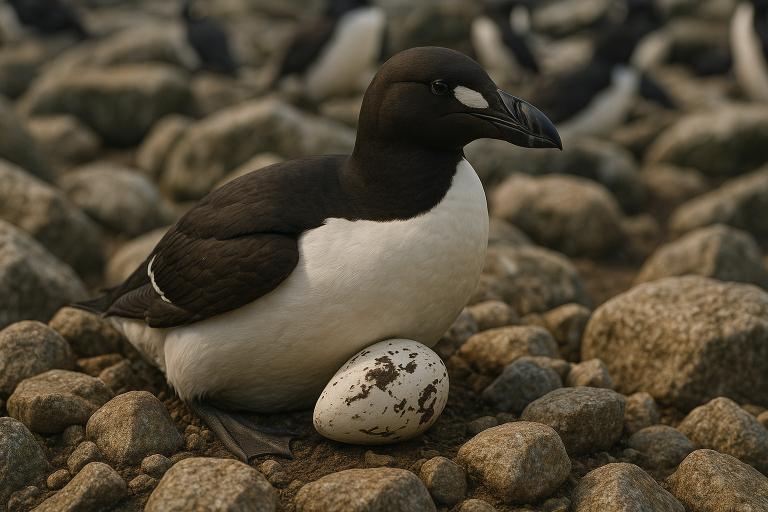
Great Auk eggs hold immense scientific and cultural value. Physically, they are striking objects; large, boldly patterned shells that once nurtured the last generation of an extinct bird. Historically, each surviving egg carries a rich provenance, often involving famous naturalists and illustrious collectors. These eggs have been treasured, traded, copied, and even occasionally lost through accidents of history. In this article, we capture a snapshot of our current knowledge of these poignant relics.

Reconstructing Bird Egg Pigmentation: A Scientific and Artistic Guide
| |

Reconstructing Bird Egg Pigmentation: A Scientific and Artistic Guide

Birds’ eggs exhibit a surprisingly narrow palette of natural pigments, yet they produce a stunning variety of colors and patterns. Nearly all the hues seen on bird eggshells come from just two pigments. Here is an exploration of the science behind the pigments of bird eggs and the artist-grade colors that best match them, complete with examples and mixing tips.